Cybersecurity
Every application handles something valuable: customer data, payments, health records and the logic your business runs on. Our application security team assesses your web applications, APIs and Android and iOS apps the…
Every application handles something valuable: customer data, payments, health records and the logic your business runs on. Our application security team assesses your web applications, APIs and Android and iOS apps the way a real attacker would, then shows you exactly what to fix.
We combine hands-on manual testing with automated analysis (DAST, SAST and SCA) and use AI to speed up the investigation. Every finding is validated by our testers before it reaches you. You receive clear evidence, a risk-based priority list and practical remediation guidance, followed by retesting to confirm the fixes.
Web Application & API Penetration Testing
Manual, hands-on testing
Our testers work through your application function by function, the way an attacker would. Manual testing finds the issues scanners miss, such as one user reaching another user's data or a business process that can be abused.
Authentication and session handling
Authorization and access control
Business logic
Input handling and injection
API endpoints
Mobile Application Security Testing
Android and iOS
A full security assessment of your Android and iOS applications, covering what happens on the device and between the app and your servers.
Local data handling and storage
Authentication
Communication with your servers
Platform configuration
Binary protections against tampering and reverse engineering
Automated Security Testing: DAST, SAST & SCA
Wide coverage on every release
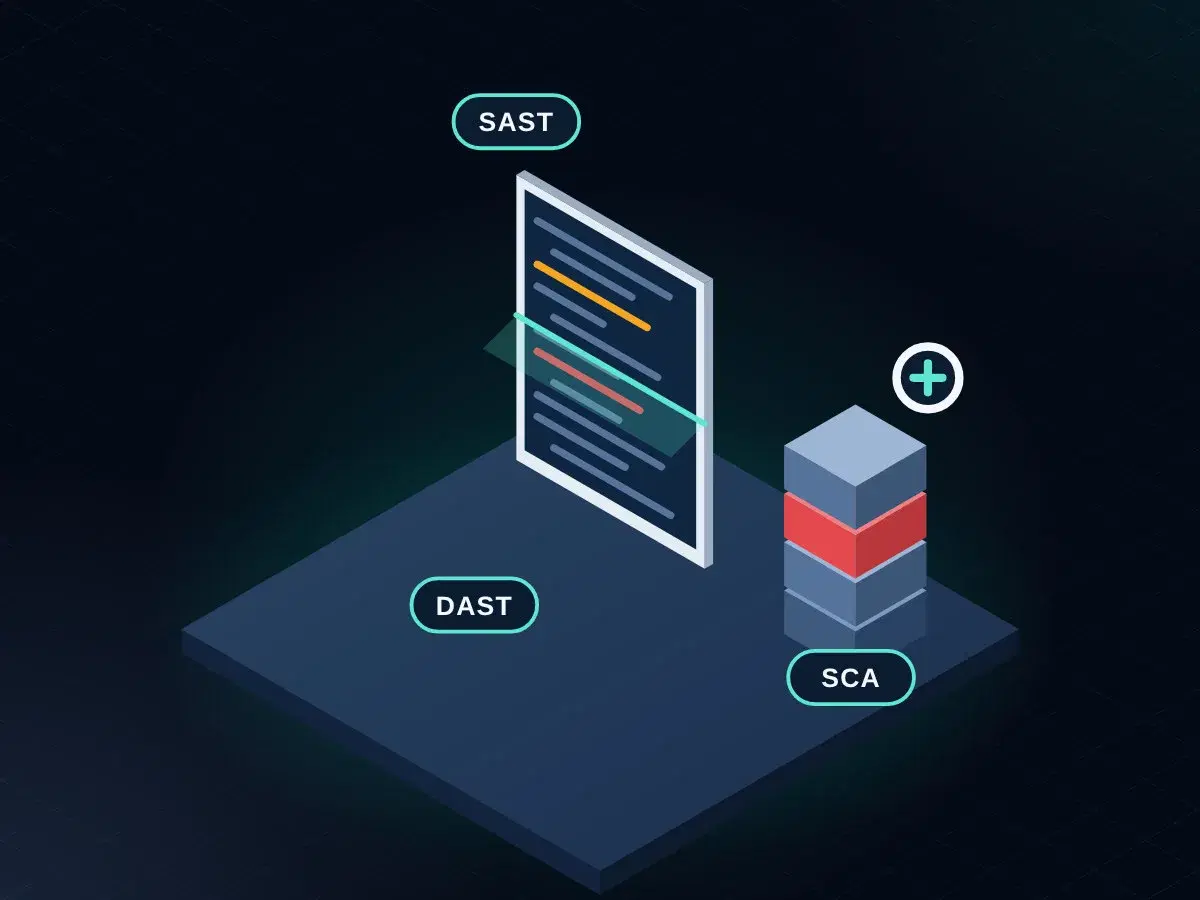
Automated analysis extends our manual testing across the whole application, its source code and everything it depends on.
Dynamic Application Security Testing (DAST): testing the running application from the outside to find security weaknesses during execution.
Static Application Security Testing (SAST): analysing the source code to find insecure coding patterns and implementation weaknesses.
Software Composition Analysis (SCA): reviewing third-party libraries and dependencies for known vulnerabilities and outdated components.
Secrets & Credential Exposure Detection
No keys left behind
AI-Assisted Security Analysis
Faster analysis, human validation
We use AI to support security analysis, investigation and reporting, so we can cover more ground in less time. Every finding is reviewed and validated by our testing team, so your report contains confirmed issues, not guesses.
Reporting, Remediation & Retesting
Clear findings, verified fixes
Every validated finding is documented with supporting evidence, its severity, the potential business impact and the recommended remediation steps, written for both your developers and your management.
Once your team has applied the fixes, we retest to verify that each reported weakness has been properly addressed.
Our Testing Approach
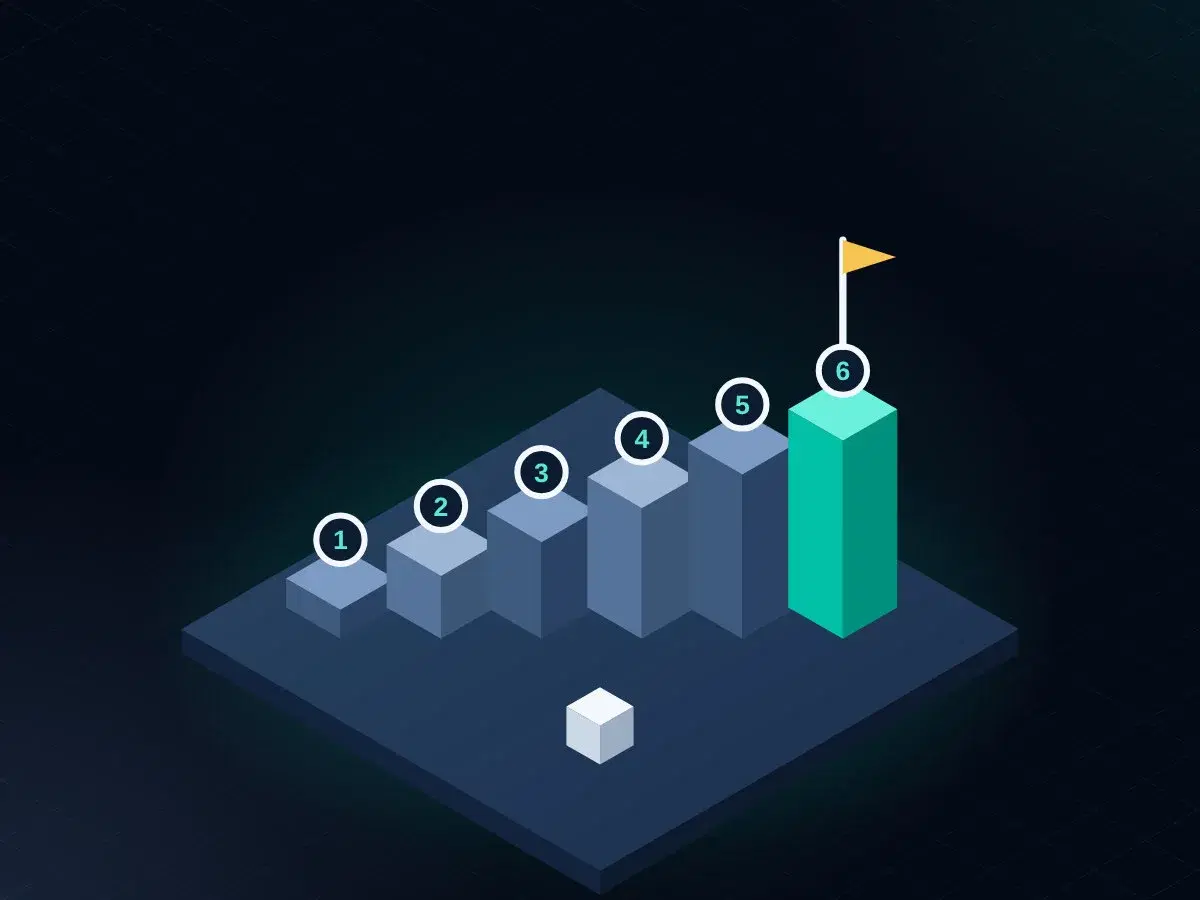
Six steps from scope to retest
Define the assessment scope, target environments, testing permissions and objectives.
Review the application architecture and identify the key entry points and trust boundaries.
Perform manual testing, supported by the right automated security tools.
Validate potential findings and collect clear, reproducible evidence.
Prioritize findings by severity, exploitability and potential business impact.
Deliver a report with practical remediation guidance and, where agreed, retest the fixes.
OWASP Top 10 References
Recognized categories for web, API and mobile testing
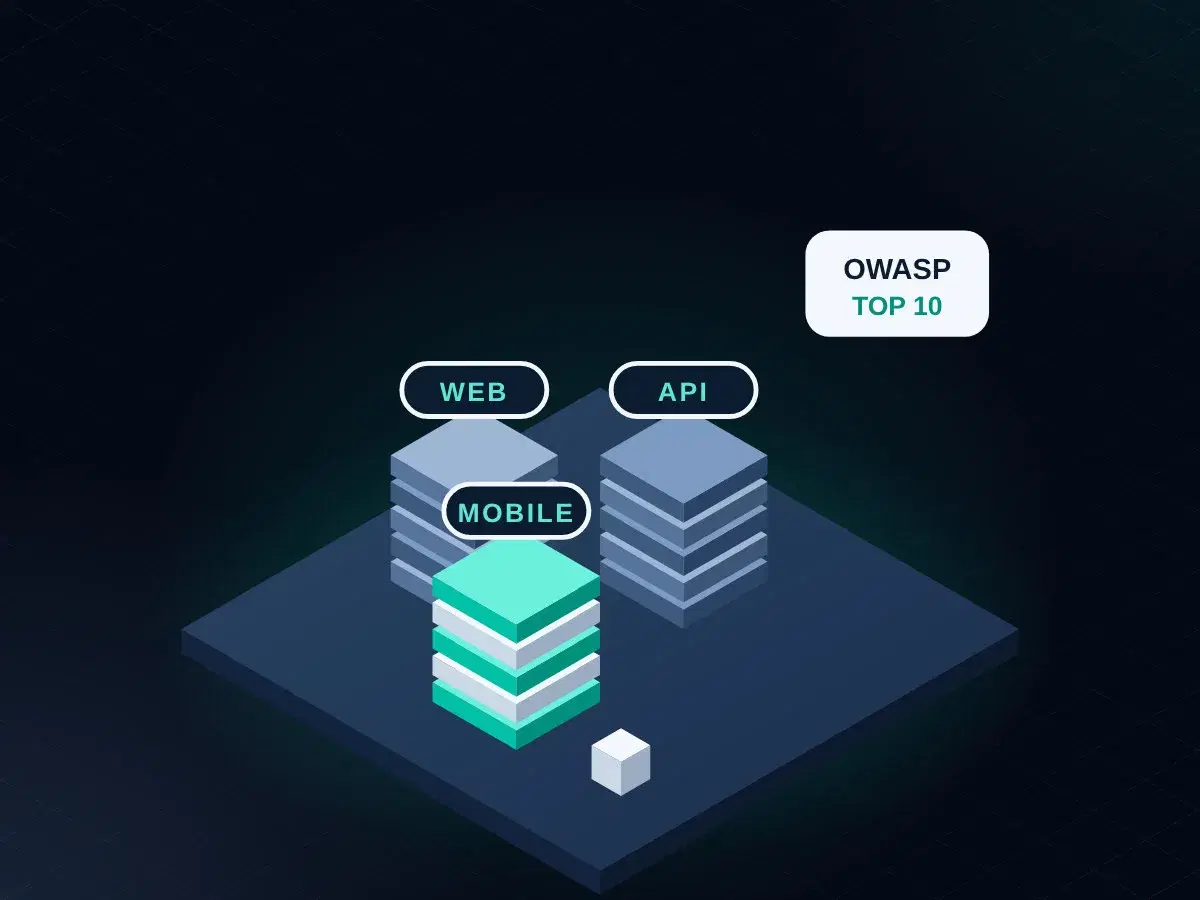
We organize our testing around the OWASP Top 10 lists, the industry's recognized reference categories for application security. They are awareness and testing references: not every item applies to every application, and we focus on the ones that matter for yours.
OWASP Top 10 Web Risks
The most critical security risks in web applications, including access control, authentication, injection and security misconfiguration.
A01: Broken Access Control
A02: Security Misconfiguration
A03: Software Supply Chain Failures
A04: Cryptographic Failures
A05: Injection
A06: Insecure Design
A07: Identification and Authentication Failures
A08: Software or Data Integrity Failures
A09: Security Logging and Alerting Failures
A10: Server-Side Request Forgery (SSRF)
OWASP Top 10 API Risks
Security risks in APIs, focusing on authorization, authentication, data exposure and improper access to backend services.
API1: Broken Object Level Authorization
API2: Broken Authentication
API3: Broken Object Property Level Authorization
API4: Unrestricted Resource Consumption
API5: Broken Function Level Authorization
API6: Unrestricted Access to Sensitive Business Flows
API7: Server-Side Request Forgery
API8: Security Misconfiguration
API9: Improper Inventory Management
API10: Unsafe Consumption of APIs
OWASP Top 10 Mobile Risks
Security risks in Android and iOS applications, focusing on data protection, insecure communication, authentication and platform security.
Improper Credential Usage
Inadequate Supply Chain Security
Insecure Authentication/Authorization
Insufficient Input/Output Validation
Insecure Communication
Inadequate Privacy Controls
Insufficient Binary Protections
Security Misconfiguration
Insecure Data Storage
Insufficient Cryptography
Frequently asked questions
A scan is automated and finds known, common issues. A penetration test adds hands-on work by our testers, who check authentication, permissions and business logic the way an attacker would. That is how issues no scanner can see are found. We use both.
We agree on the scope (which applications, APIs and environments), the testing permissions and your objectives. We usually also need test accounts for each user role and, for SAST and secrets detection, access to the source code.
Testing is planned with you in advance. Where possible we test on a staging environment; any testing on production is scheduled and controlled.
A report of validated findings, each with evidence, severity, potential business impact and recommended remediation steps. Once the fixes are in, we retest to confirm each weakness has been properly addressed.
AI supports our analysis, investigation and reporting so we can cover more in less time. Every finding is reviewed and validated by our testing team before it appears in your report.
No. The OWASP Top 10 lists are recognized reference categories that we use to organize testing, but not every item applies to every application and no assessment can guarantee there are no vulnerabilities. Our job is to find and prioritize the real risks for your application.
Have a project in mind?
Tell us about it. We reply within one business day with a plan, a timeline and the team who will build it.